Search the whole station
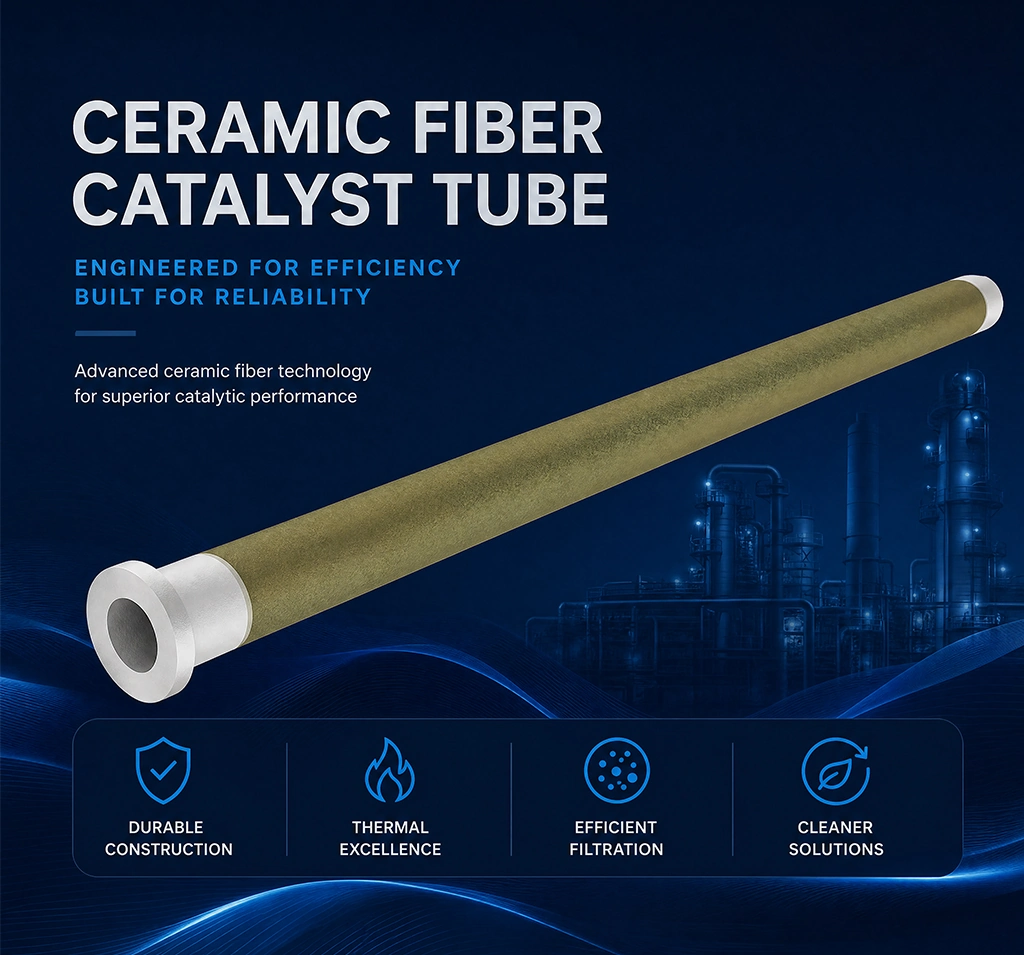
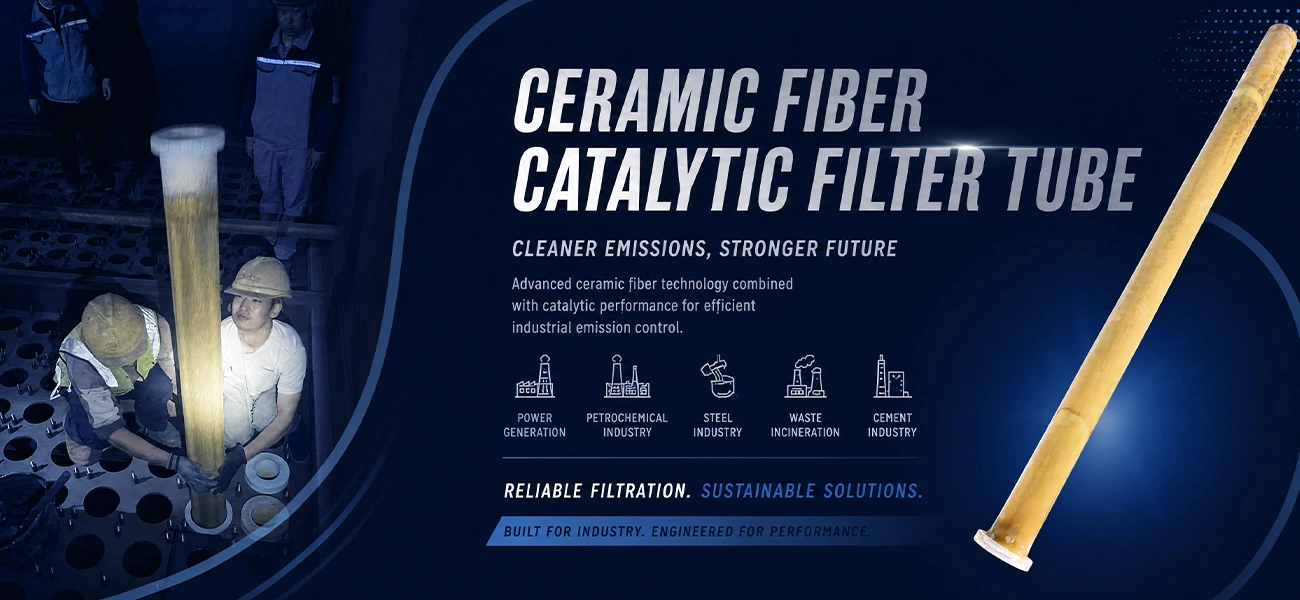
Ceramic fiber catalytic filter tubes are high-performance filtration elements made from ceramic fiber reinforced materials and highly efficient denitration catalysts. They combine dust removal and NOx reduction in one integrated unit, making them suitable for high-temperature flue gas treatment in industries such as glass, fiberglass, electronic new materials, non-ferrous metal smelting, steel, coking, waste incineration, and biomass power generation.
With a porosity of 65%-85%, the filter tube offers low density, light weight, low gas resistance, excellent thermal shock resistance, and strong corrosion resistance. It can withstand temperatures up to 830°C, making it well suited for harsh high-temperature operating conditions. The catalyst is uniformly incorporated into the inner layer of the ceramic fiber filter tube. After the outer layer captures dust particles, the catalyst layer can effectively avoid blockage, poisoning, or deactivation, ensuring stable long-term denitration performance.
Developed with advanced nano-scale catalyst directional coating technology, the catalyst features non-toxicity, high activity, high selectivity, and strong resistance to water vapor and sulfur. The composite ceramic fiber catalytic filter tube can achieve integrated dry-process desulfurization, dust removal, and denitration, greatly reducing equipment footprint, saving investment costs, and simplifying flue gas treatment systems. Its particulate filtration efficiency can reach over 99.99%, while NOx removal efficiency can reach over 95%, helping meet national and local ultra-low emission standards.
Compared with traditional wet-process treatment, the dry-process integrated technology using ceramic fiber catalytic filter tubes does not require tail gas whitening treatment. It can significantly reduce operating costs and downstream disposal expenses while achieving ultra-clean flue gas emissions, making it an advanced solution for modern industrial flue gas purification.
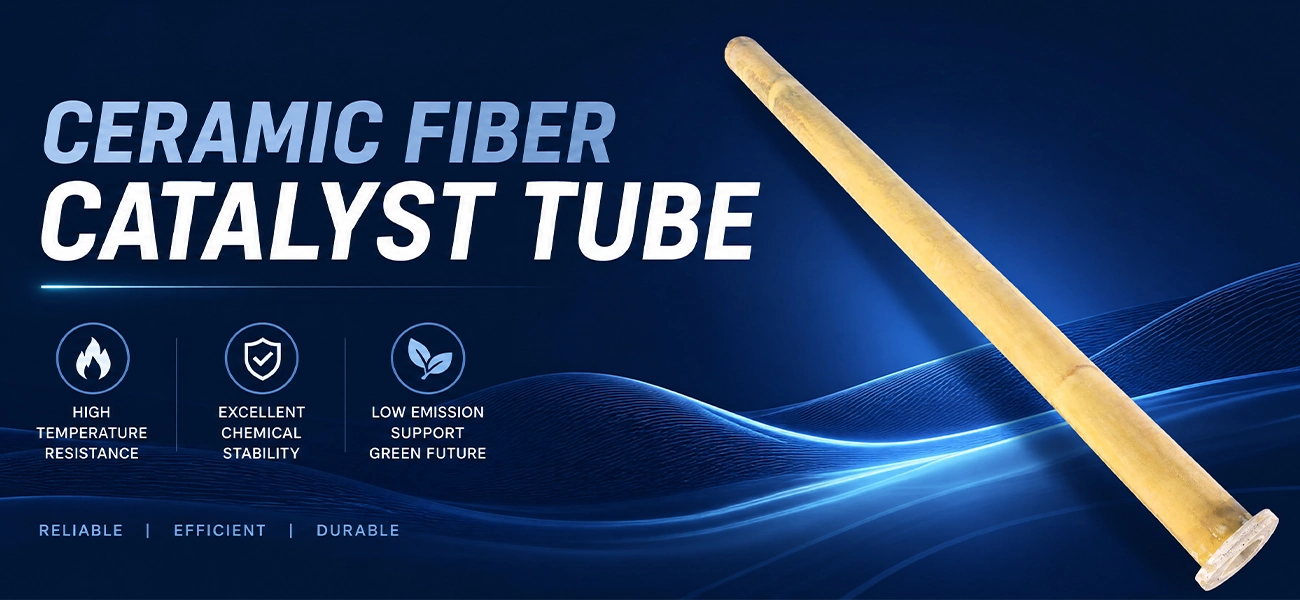

Ceramic fiber catalytic filter tubes are inorganic porous membrane filter elements made from alumino-silicate fibers through vacuum suction forming. The filter tube has a multi-layer filtration structure composed of a supporting body and a filtration membrane. The supporting body is arranged in a stepped gradient structure from the inner layer to the outer layer, which helps prevent fine powder particles from directly entering the filter body and causing pore blockage or filter tube failure.
The filtration membrane is designed with different pore sizes according to the particle size distribution of the dust. This allows the filter tube to achieve the required filtration efficiency while maintaining stable air permeability. The membrane surface is hard, wear-resistant, and tightly bonded with the supporting body, ensuring reliable dust filtration performance under high-temperature and high-dust operating conditions.
In addition to dust removal, the ceramic fiber filter tube also serves as an excellent catalyst carrier. Nano-scale catalysts are embedded into the inner wall of the ceramic filter tube to form an integrated dust removal and denitration ceramic filter tube. Since the catalyst is located inside the ceramic filter tube, it is better protected than traditional honeycomb catalysts and can effectively reduce the risk of catalyst poisoning, blockage, and deactivation.
The denitration function of the ceramic catalytic filter tube is achieved by loading composite vanadium-titanium catalysts onto the ceramic fiber tube. The catalyst is evenly distributed across the fiber structure, providing a large contact area and longer gas residence time, which improves NOx removal efficiency and helps keep ammonia slip at a low level.
During operation, denitration agents and desulfurization agents are injected into the flue gas upstream of the ceramic fiber catalytic tube dust collector. As the flue gas passes through the filter tubes, dust particles are first captured by the outer filtration membrane, while NOx reacts with the reducing agent on the catalytic layer inside the tube. At the same time, acidic pollutants such as sulfur compounds can be removed through the dry desulfurization process. In this way, integrated desulfurization, dust removal, and denitration can be achieved within one filtration system.
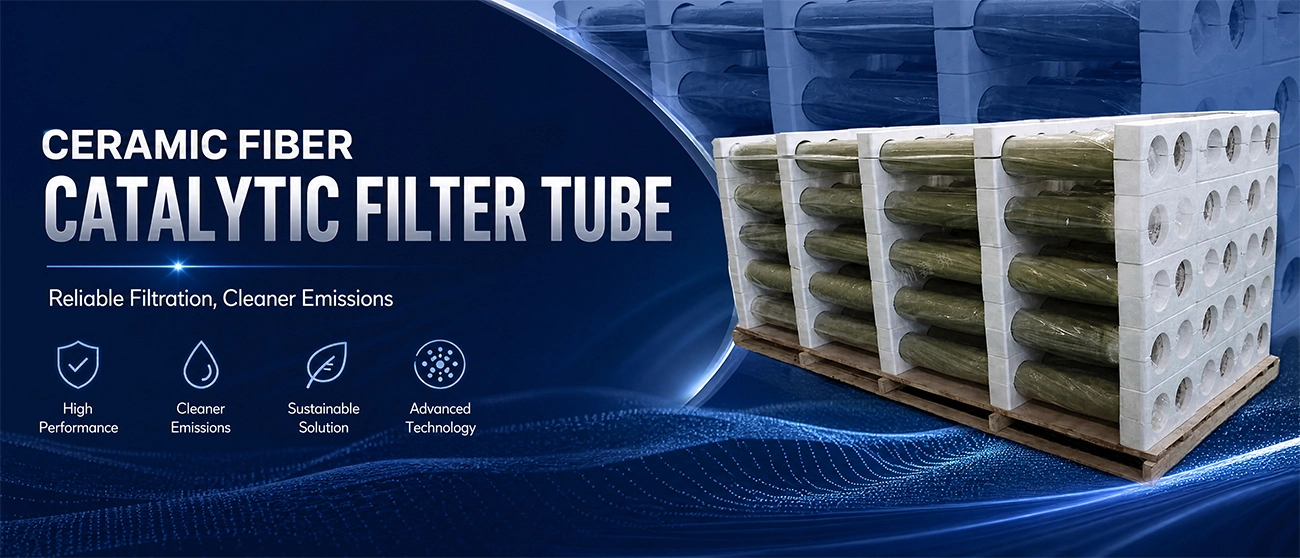
Ceramic fiber catalytic filter tubes offer excellent high-temperature and corrosion resistance. They can operate continuously at 250-400°C, with short-term temperature resistance up to 450°C. The asymmetric gradient pore structure provides high porosity, up to 80%, ensuring low resistance and stable filtration performance. Except for HF gas, the material is chemically inert to most chemicals. When combined with an acid-removal process before use, HF can be effectively removed; if condensation is prevented, it will not affect the service performance of the filter tube.
The filter tube delivers ultra-low emission performance by using an inorganic membrane as the gas-solid separation layer. The filtration accuracy can be controlled by selecting suitable membrane pore sizes according to the particle size of the dust, allowing the dust emission concentration to reach less than 1 mg/Nm³.
It also has a long service life. The filter tube surface has high hardness and good wear resistance, while the material has a bending strength of up to 1 MPa. In addition, it provides excellent acid and alkali resistance, oxidation resistance, and stable performance under harsh flue gas conditions.
As an effective catalyst carrier, the inner wall of the ceramic tube can be embedded with denitration catalysts. This enables simultaneous removal of dust and NOx from exhaust gas, reducing the footprint of on-site equipment and lowering the overall investment cost of flue gas treatment systems.
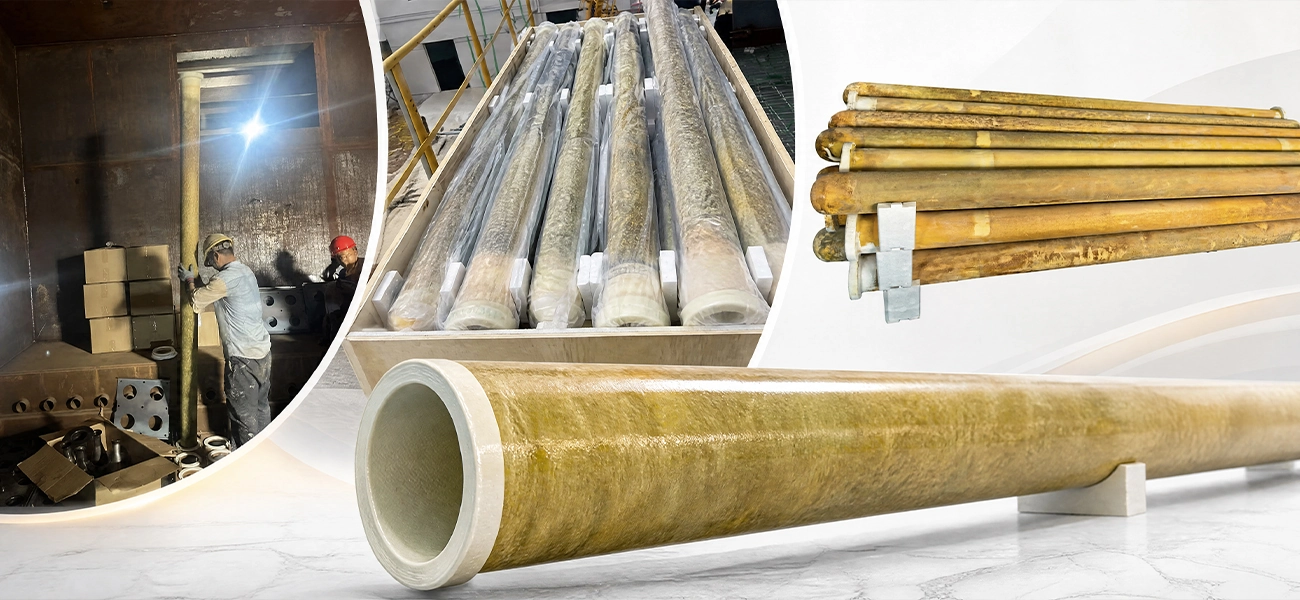
Ceramic fiber catalytic filter tubes are widely used in high-temperature flue gas treatment systems for industrial furnaces, waste incineration, biomass boilers, glass kilns, cement production, and other emission control applications. They combine dust filtration with catalytic reaction in a single unit, enabling simultaneous removal of particulate matter, NOx, dioxins, VOCs, and other harmful pollutants. With excellent thermal stability, chemical resistance, and low pressure drop, these filter tubes provide reliable performance under harsh operating conditions. Their integrated filtration and catalytic functions help simplify system design, improve emission reduction efficiency, and support compliance with increasingly strict environmental regulations.

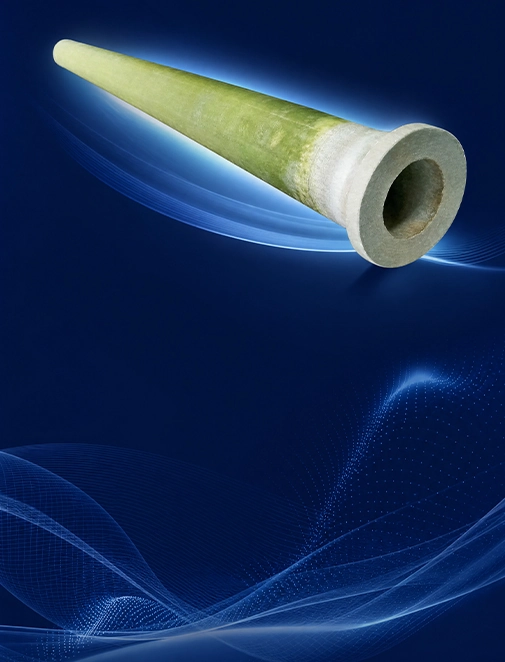
| Filter tube outer diameter (A1) | mm | 150 | |
| Filter tube outer diameter (A2) | mm | 135 | |
| Filter tube inner diameter (B) | mm | 110 | |
| Flange surface outer diameter(C ) | mm | 195 | |
| Flange face height/thickness(D) | mm | 30 | |
| Total length of filter tube(E) | mm | 3000 | 4000 |
| Filter tube filtration area | m2 | 1.4 | 1.7 |
Get Started Free Call?
TEL: +86 1234567
E-mail: info@xxx.com
Here are answers to some frequently asked questions about skid-mounted carbonization furnaces. If you have any other questions, please feel free to contact our customer service team directly, and we will be happy to provide you with a detailed explanation.
They are widely used in municipal solid waste (MSW) incineration, hazardous waste treatment, biomass power generation, metal smelting, cement kilns, and other high-temperature industrial processes requiring simultaneous dust removal and pollutant abatement.
Yes, we offer sample units (typically 5-10 pieces) for internal testing and evaluation. Sample costs and shipping terms can be discussed based on your location and requirements.
Unlike traditional filters that only remove dust, our catalytic filter tubes do two jobs at once — capturing ≥99.9% of particulates and breaking down harmful pollutants like dioxins and NOx in a single step. That means fewer components, lower system costs, and simpler maintenance for your plant. One product, double the performance.
We fully customize dimensions, catalyst formulations, and flange designs to match your exact system requirements — no forcing your equipment to fit our product. Just send us your specs or drawings, and our engineering team will tailor a solution for you.
We stand behind our products with clear warranty terms and responsive after-sales support. Many of our long-term clients started with a small trial order — once they saw the performance and reliability, they came back for repeat, larger orders. We’re here to earn your trust, not just make a one-time sale.
 ceramicfiber
提交产品咨询
我们将会在24小时内联系您