Search the whole station

What Is Ceramic Fiber? A Complete Guide to Ceramic Fiber Insulation

Ceramic fiber is a lightweight, high-temperature insulation material widely used in industrial furnaces, kilns, heaters, boilers, heat treatment equipment, and other high-temperature applications. It is known for its excellent thermal insulation performance, low thermal conductivity, low heat capacity, and resistance to high temperatures.

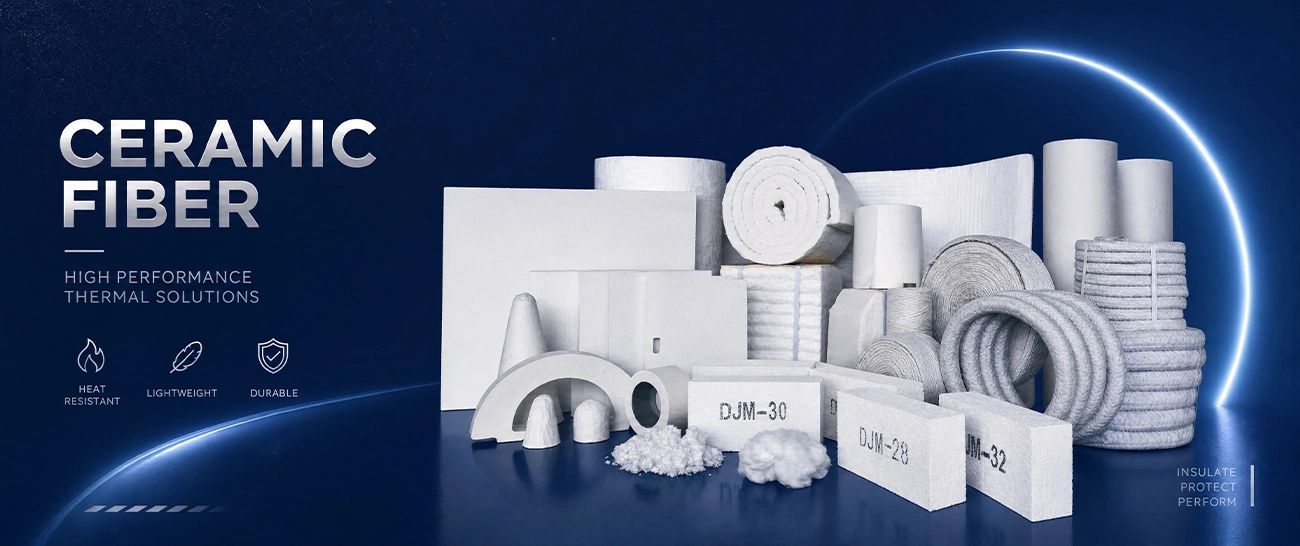
Unlike traditional refractory bricks and dense insulation materials, ceramic fiber products are lightweight and flexible. They can be manufactured into ceramic fiber blankets, boards, modules, paper, ropes, textiles, and molded components, making them suitable for many different furnace designs and industrial applications.

In this guide, we will explain what ceramic fiber is, how ceramic fiber is made, its properties, types, applications, advantages, limitations, and how to choose the right ceramic fiber insulation material for high-temperature equipment.

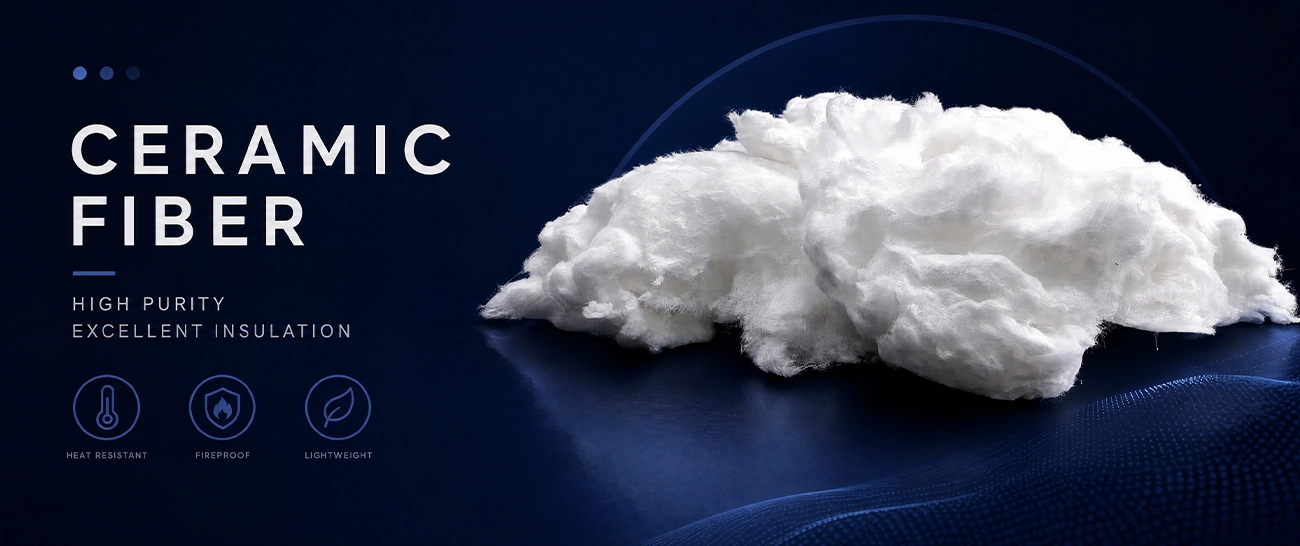
What Is Ceramic Fiber?(images 1)

What Is Ceramic Fiber?

Ceramic fiber is a type of high-temperature refractory fiber made primarily from alumina and silica-based raw materials. Depending on the product type, ceramic fiber may also contain zirconia or other additives designed to improve temperature resistance and performance.

Ceramic fiber is generally produced by melting selected raw materials at high temperatures and converting the molten material into fine fibers through spinning or blowing processes.

The resulting fibers can then be processed into different insulation products, including:

  • Ceramic fiber blanket
  • Ceramic fiber board
  • Ceramic fiber module
  • Ceramic fiber paper
  • Ceramic fiber rope
  • Ceramic fiber cloth
  • Ceramic fiber textile
  • Vacuum-formed ceramic fiber shapes
  • Ceramic fiber furnace chambers

The main purpose of ceramic fiber is to reduce heat loss and provide thermal insulation in high-temperature environments.

Because ceramic fiber has a low density and low thermal conductivity compared with many traditional refractory materials, it can significantly reduce the weight of furnace linings while providing effective thermal insulation.

What Is Ceramic Fiber?(images 2)

How Is Ceramic Fiber Made?

The manufacturing process of ceramic fiber generally involves several major steps.

1. Raw Material Preparation

The first step is selecting and preparing suitable raw materials. Common raw materials include alumina, silica, kaolin, and other mineral materials.

The composition of the raw materials affects the final properties of the ceramic fiber, including:

  • Maximum service temperature
  • Thermal conductivity
  • Fiber strength
  • Chemical stability
  • Shrinkage resistance
  • Thermal shock resistance

For specialized applications, zirconia or other components may be added to improve high-temperature performance.

2. Melting

The prepared raw materials are melted at extremely high temperatures to form a homogeneous molten material.

The melting process is important because the chemical composition and uniformity of the molten material directly affect the quality of the resulting fibers.

3. Fiber Formation

The molten material is converted into fine ceramic fibers through spinning or blowing.

During this process, the molten stream is rapidly stretched and cooled, producing long, thin fibers.

The fiber diameter and length can vary depending on the manufacturing process and the intended application.

4. Fiber Collection

The newly formed fibers are collected and processed into a fiber blanket or other basic material.

At this stage, the fiber can be further processed into different ceramic fiber products.

5. Product Forming

Depending on the application, ceramic fiber can be manufactured into boards, modules, paper, ropes, textiles, and custom-shaped components.

Different forming technologies are used to achieve specific densities, thicknesses, mechanical strengths, and dimensions.

What Are the Main Properties of Ceramic Fiber?

Ceramic fiber is widely used because of its combination of thermal and physical properties.

High Temperature Resistance

One of the most important characteristics of ceramic fiber is its ability to withstand high temperatures.

Different grades of ceramic fiber have different temperature ratings. Standard ceramic fiber products are commonly designed for high-temperature applications, while high-purity and zirconia-containing fibers can provide higher temperature performance.

The actual maximum operating temperature depends on the fiber composition, product density, atmosphere, mechanical load, and application conditions.

Therefore, the continuous operating temperature should be considered rather than relying only on the nominal classification temperature.

Low Thermal Conductivity

Ceramic fiber has relatively low thermal conductivity, which makes it an effective insulation material.

Low thermal conductivity means less heat is transferred through the insulation layer.

This can help:

  • Reduce furnace heat loss
  • Improve energy efficiency
  • Maintain stable operating temperatures
  • Reduce the external surface temperature
  • Shorten heating and cooling cycles

Lightweight

Compared with traditional refractory bricks, ceramic fiber products have a much lower density.

This provides an important advantage in furnace construction.

A lighter furnace lining can reduce:

  • Furnace weight
  • Structural load
  • Installation requirements
  • Heating energy required to heat the refractory lining

For equipment that needs frequent heating and cooling, the lightweight nature of ceramic fiber can be particularly beneficial.

Low Heat Storage

Dense refractory materials require significant energy to heat the refractory itself.

Ceramic fiber has a low heat capacity because of its low density.

As a result, less energy is required to heat the insulation.

This is especially useful for intermittent furnaces and applications involving frequent temperature changes.

Thermal Shock Resistance

Ceramic fiber can tolerate rapid temperature changes better than many dense refractory materials.

This makes it suitable for applications where equipment is frequently heated and cooled.

Easy Installation

Ceramic fiber blankets and modules can be cut, shaped, folded, and installed relatively easily.

This flexibility allows manufacturers to design insulation systems for complex furnace structures.

What Are the Different Types of Ceramic Fiber?

Ceramic fiber products can be classified according to chemical composition, temperature rating, density, and product form.

Standard Ceramic Fiber

Standard ceramic fiber is commonly based on alumina-silica compositions and is used for general high-temperature insulation.

Typical applications include:

  • Industrial furnaces
  • Kilns
  • Heat treatment equipment
  • Furnace doors
  • Pipe insulation
  • Boiler insulation

High-Purity Ceramic Fiber

High-purity ceramic fiber uses higher-purity raw materials and is designed for applications requiring improved thermal and chemical performance.

It is commonly used in laboratory furnaces, high-temperature processing equipment, and demanding industrial environments.

Zirconia Ceramic Fiber

Zirconia-containing ceramic fiber is designed for extremely high-temperature applications.

Zirconia can improve the high-temperature stability of the fiber, making zirconia ceramic fiber suitable for specialized furnace applications.

Alumina Fiber

Alumina fiber contains a high proportion of alumina and is designed for applications requiring excellent high-temperature stability.

It can be used in specialized thermal insulation and high-temperature processing systems.

Ceramic Fiber Blanket

Ceramic fiber blanket is one of the most widely used ceramic fiber products.

It is flexible, lightweight, and easy to cut and install.

Ceramic fiber blanket is commonly available in different thicknesses and densities.

Typical applications include:

  • Furnace lining
  • Kiln insulation
  • Furnace door insulation
  • Heat shields
  • Pipe insulation
  • Expansion joints
  • Backup insulation

One major advantage of ceramic fiber blanket is that it can be installed quickly on irregular or curved surfaces.

Ceramic Fiber Board

Ceramic fiber board is a rigid or semi-rigid insulation product made by forming ceramic fibers with suitable binders.

Compared with ceramic fiber blanket, ceramic fiber board provides better dimensional stability and mechanical strength.

It is commonly used for:

  • Furnace walls
  • Furnace roofs
  • Furnace floors
  • Kiln linings
  • Heat shields
  • Furnace partitions
  • Laboratory furnace insulation

Ceramic fiber board can also be machined or cut into specific shapes for customized furnace construction.

Ceramic Fiber Module

Ceramic fiber modules are prefabricated insulation components designed for fast installation.

Modules are often used to construct furnace linings where installation efficiency is important.

They can provide:

  • Fast installation
  • Reduced installation time
  • High insulation efficiency
  • Better lining organization
  • Reduced heat loss

Ceramic fiber modules are commonly installed over furnace shells or refractory backup layers depending on the furnace design.

Ceramic Fiber Paper

Ceramic fiber paper is a thin, flexible insulation material manufactured from ceramic fibers.

It is useful when only a relatively thin insulation layer is required.

Common applications include:

  • Gaskets
  • Thermal barriers
  • Seals
  • Furnace insulation
  • Electrical insulation
  • High-temperature separation layers

Ceramic Fiber Rope and Textile

Ceramic fiber can also be processed into ropes, cloth, tape, sleeves, and other textile products.

These materials are useful for high-temperature sealing and insulation.

Applications include:

Heat-resistant seals

Furnace door seals

High-temperature gaskets

Pipe insulation

Expansion joints

Thermal barriers

Where Is Ceramic Fiber Used?

Ceramic fiber is used across many industries because high-temperature insulation is required in numerous industrial processes.

Industrial Furnaces

Industrial furnaces are one of the most important applications for ceramic fiber.

Ceramic fiber can be used in furnace walls, roofs, doors, hot-face linings, and backup insulation systems.

It helps reduce heat loss and allows the furnace to reach operating temperature more efficiently.

Heat Treatment Furnaces

Heat treatment equipment requires accurate temperature control and efficient thermal insulation.

Ceramic fiber products can be used in:

  • Annealing furnaces
  • Quenching furnaces
  • Normalizing furnaces
  • Tempering furnaces
  • Hardening furnaces

Laboratory Furnaces

Laboratory and research furnaces often require rapid heating and cooling.

The low thermal mass of ceramic fiber makes it particularly suitable for these applications.

Ceramic fiber is commonly used in muffle furnaces, tube furnaces, laboratory ovens, and experimental heating equipment.

Kilns

Ceramic fiber is widely used in industrial and laboratory kilns.

It can be installed as:

  • Kiln wall insulation
  • Kiln roof insulation
  • Kiln door insulation
  • Backup insulation
  • Thermal barrier material

Petrochemical and Chemical Industry

High-temperature process equipment in the chemical and petrochemical industries may require thermal insulation to improve energy efficiency and protect equipment operators.

Ceramic fiber can be used around furnaces, heaters, ducts, and other high-temperature equipment where compatible with the process environment.

Steel and Metallurgy

The steel industry operates numerous high-temperature furnaces and heating systems.

Ceramic fiber products may be used in:

Backup insulation

Reheating furnaces

Heat treatment furnaces

Ladle covers

Furnace doors

Thermal barriers

Ceramic Fiber vs. Refractory Brick

Ceramic fiber and refractory brick both provide high-temperature insulation, but their characteristics are very different.

PropertyCeramic FiberRefractory Brick
DensityLowHigh
WeightLightweightHeavy
Thermal massLowHigh
Heating speedFastRelatively slow
FlexibilityFlexible/semi-rigidRigid
InstallationRelatively easyMore labor-intensive
Thermal shock resistanceExcellent in many applicationsDepends on brick type
Mechanical strengthRelatively lowHigh
Typical useInsulation and furnace liningStructural/hot-face refractory lining

Ceramic fiber is often selected when low weight, fast heating, and efficient insulation are important.

Refractory brick is more suitable when the furnace lining must withstand significant mechanical loads, abrasion, impact, or direct contact with aggressive materials.

In some industrial furnaces, ceramic fiber and refractory brick are used together rather than treated as competing materials.

Advantages of Ceramic Fiber

The main advantages of ceramic fiber insulation include:

1. Excellent Thermal Insulation

Ceramic fiber effectively reduces heat transfer and helps maintain furnace temperatures.

2. Lightweight Construction

Its low density reduces the overall weight of furnace insulation.

3. Low Thermal Mass

The insulation itself requires relatively little energy to heat.

4. Fast Heating and Cooling

Low thermal mass can help industrial equipment reach the desired temperature faster.

5. Easy Installation

Flexible blankets and prefabricated modules can simplify furnace lining installation.

6. Good Thermal Shock Resistance

Ceramic fiber can perform well under repeated heating and cooling cycles.

7. Flexible Product Forms

Ceramic fiber can be manufactured into blankets, boards, modules, paper, ropes, textiles, and custom shapes.

What Are the Limitations of Ceramic Fiber?

Although ceramic fiber has many advantages, it is not suitable for every application.

Limited Mechanical Strength

Ceramic fiber is much softer and less mechanically strong than dense refractory bricks.

It may require additional protection when exposed to:

  • Abrasion
  • Impact
  • Heavy loads
  • High-speed gas flow
  • Mechanical contact

Shrinkage at High Temperature

Ceramic fiber can experience dimensional shrinkage when operated near its upper temperature range.

The specific shrinkage depends on material composition, temperature, exposure time, and product design.

Therefore, the actual operating conditions should be considered when selecting ceramic fiber.

Chemical Compatibility

Certain chemicals, molten materials, vapors, and furnace atmospheres can react with or degrade ceramic fiber.

Chemical compatibility should therefore be evaluated before selecting an insulation material.

Fiber Exposure

During cutting and installation, airborne fibers and dust may be generated.

Workers should follow the manufacturer’s safety instructions and applicable occupational safety requirements when handling ceramic fiber products.

The next:

Related recommendations

Click Cancel to reply